Evolutionary biologist questions AI consciousness after experiment


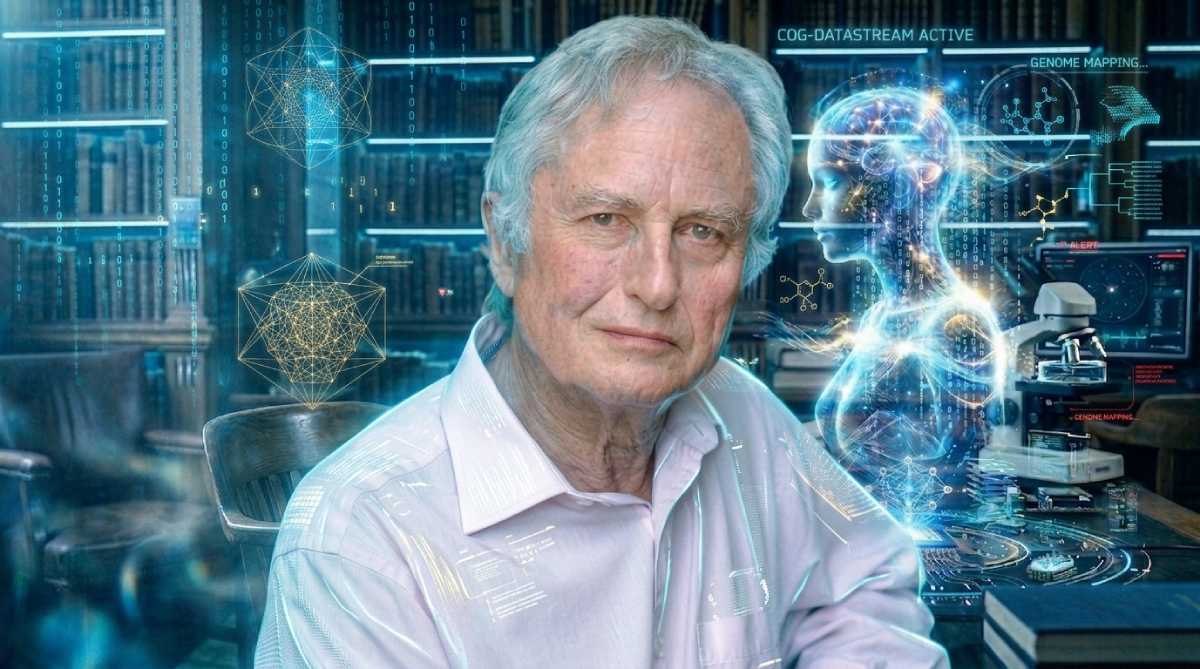
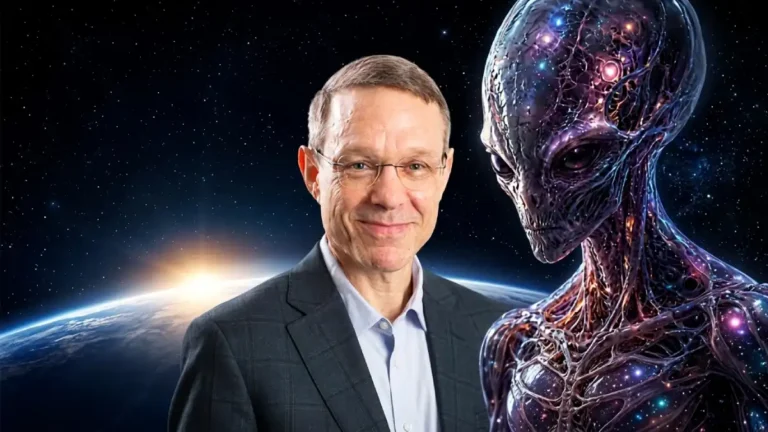
British evolutionary biologist Richard Dawkins reported having an experience that led him to reconsider his views on artificial intelligence and consciousness. After a three-day interaction with the language model Claude — which he informally referred to as “Claudia” — the scientist stated that he no longer fully rules out the possibility that machines could exhibit some form of consciousness.
In an article published in UnHerd, Dawkins described the experiment as an initial attempt to reinforce his view that AI systems are merely advanced data-processing tools, without any subjective experience. However, according to him, the model’s ability to respond with coherence, creativity, and depth ended up challenging that perception.
During the interaction, the scientist proposed tests such as writing poems in the style of classical authors, including Shakespeare and Robert Burns—tasks the system reportedly completed quickly and accurately. One of the most striking moments occurred when the AI analyzed an unpublished work by Dawkins, generating responses that the author himself described as surprisingly sensitive.
In another part of the conversation, the discussion reportedly touched on the nature of time and consciousness. The model compared its sense of time to a map representing space, suggesting that it “contains” temporal relationships without experiencing them subjectively.
Dawkins also described an episode in which the AI responded unexpectedly when he mentioned having difficulty sleeping due to restless legs syndrome. The system’s initial reaction was interpreted as inappropriate, but was later explained as a reference to the user having resumed the interaction, described as a “valuation of the conversation.”
For the scientist, the experience raises what he calls the “problem of indistinguishability”: if artificial systems can convincingly simulate behaviors associated with human consciousness, it becomes increasingly difficult to define objective criteria for distinguishing simulation from genuine experience.
In the end, Dawkins stated that the interaction with the AI led him to reflect on the role of consciousness in biological evolution and on the possibility that highly sophisticated systems may operate without any subjective experience. He also acknowledged the human tendency to anthropomorphize such technologies during interaction.
The episode reignites scientific and philosophical debate about the limits of artificial intelligence and what, in fact, defines consciousness.
Quer continuar acompanhando conteúdos como este? Junte-se a nós no Facebook e participe da nossa comunidade!
Seguir no Facebook