
UFO Files and the Epstein Crisis: Whistleblowers React to Trump’s Decision


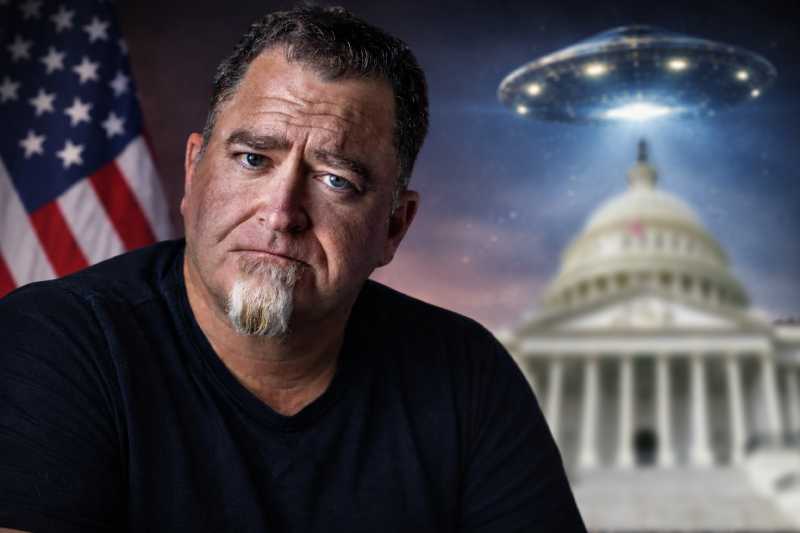
Former intelligence officials and unidentified aerial phenomena (UAP) whistleblowers reacted enthusiastically to U.S. President Donald Trump’s directive ordering federal agencies to identify and release government files related to UFOs, extraterrestrial life, and unidentified aerial phenomena.
Former Pentagon official Luis Elizondo, who led transparency efforts regarding UAPs and previously asserted that the government possesses significant information on the subject, described the order as “the culmination of years of dedication” and “a victory for truth and for the public.”
Elizondo stated that many years of work by whistleblowers and disclosure advocates were required to reach this moment and declared, “The American people deserve nothing less than the full truth.”
Another former member of the Pentagon’s UAP Task Force, Jay Stratton, characterized the decision as “transcendental,” noting that the recent documentary The Age of Disclosure and statements by officials helped shift public and political perception on the issue.
Trump’s order comes amid a broader political context, fueled in part by remarks from former President Barack Obama, who recently stated on a podcast that, statistically speaking, extraterrestrial life could exist, though there is no evidence of direct contact. Trump criticized Obama for allegedly disclosing classified information improperly and said his action aims to take control of the historical narrative.
Experts caution, however, that there is currently no public confirmation of extraterrestrial life or alien materials in the possession of the U.S. government, despite dozens of UAP reports and incidents recorded in recent years.
The initiative has divided opinion: while disclosure advocates applaud the transparency effort, critics note that simply releasing files does not guarantee substantive new findings, nor does it confirm that the phenomena are of non-human origin.
Observers also note that this focus coincides with another explosive file that continues to generate political turbulence: the documents released in the Jeffrey Epstein case.
The disclosure of approximately 3 million documents by the Department of Justice has sparked debate over the balance between transparency and the protection of victims’ data, with critics arguing that some exposed information may have been published without adequate safeguards.
In London, the repercussions have also been significant: the publication of portions of these files has fueled a police investigation into former British ambassador Peter Mandelson, who is accused of having forwarded potentially confidential emails to Epstein during his tenure as a cabinet minister — a development that led to his resignation from the House of Lords and the initiation of potential charges of misconduct in public office.
In addition, other aspects of the documents have triggered inquiries into the use of airports and private flight logistics associated with the Epstein case, with British authorities reportedly “assessing” whether facilities in London may have been used in that context.
This broader landscape has fueled a dual narrative of crisis and distraction: while advocates of opening government archives — whether concerning UAPs or the Epstein case — view these actions as steps toward transparency, critics contend that the urgency surrounding extraterrestrial phenomena may function as a strategic maneuver to divert public attention from sensitive and potentially embarrassing materials tied to the identification of political and economic elites.
Analysts note, however, that the United States and the United Kingdom face distinct pressures regarding disclosure and investigation. British authorities have adopted a more proactive posture concerning documented links involving current and former leaders, while in the American context legislative and judicial institutions continue to debate the scope and limits of disclosure under constitutional principles and victim protection standards.
Quer continuar acompanhando conteúdos como este? Junte-se a nós no Facebook e participe da nossa comunidade!
Seguir no Facebook