Archaeologists discover Roman inscriptions in cave in Spain


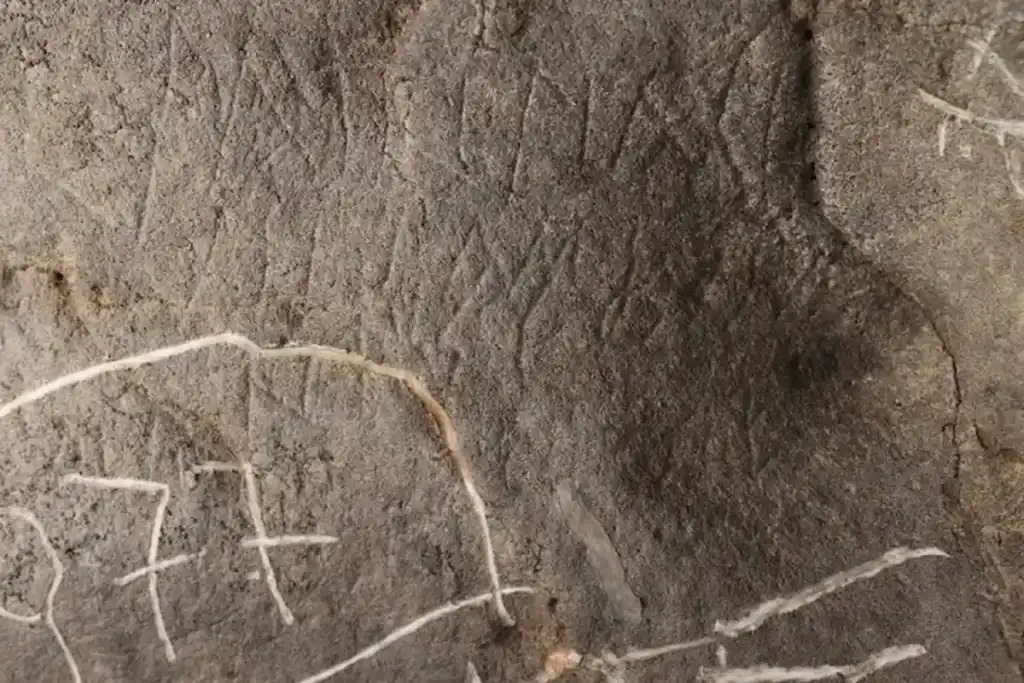
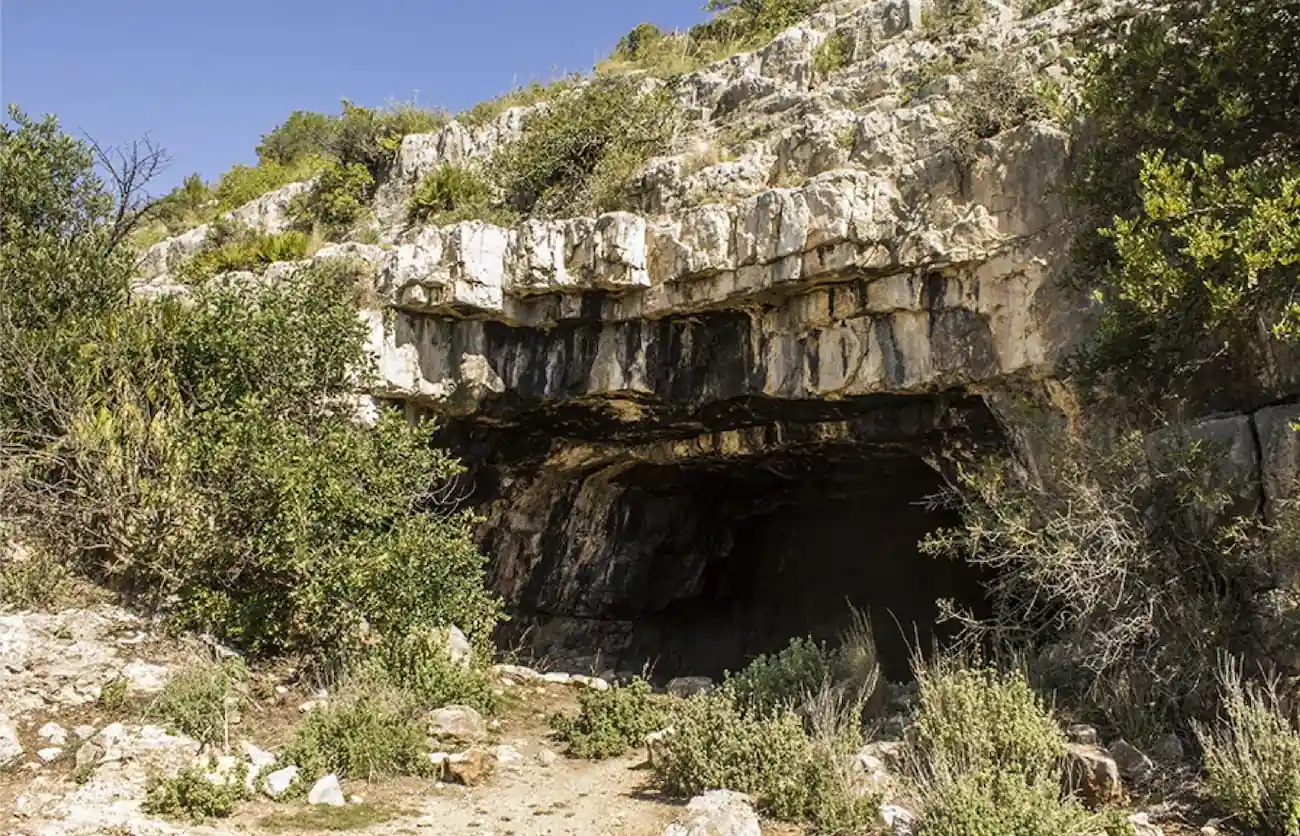
The Cova Dones cave, located in the municipality of Millares, Spain, has revealed a significant collection of Latin inscriptions that shed light on the role of women in ancient rituals. The archaeological campaign conducted between May and June 2026, led by researchers from the University of Alicante and the University of Zaragoza, documented 120 pieces of graffiti, transforming the understanding of this underground sanctuary.
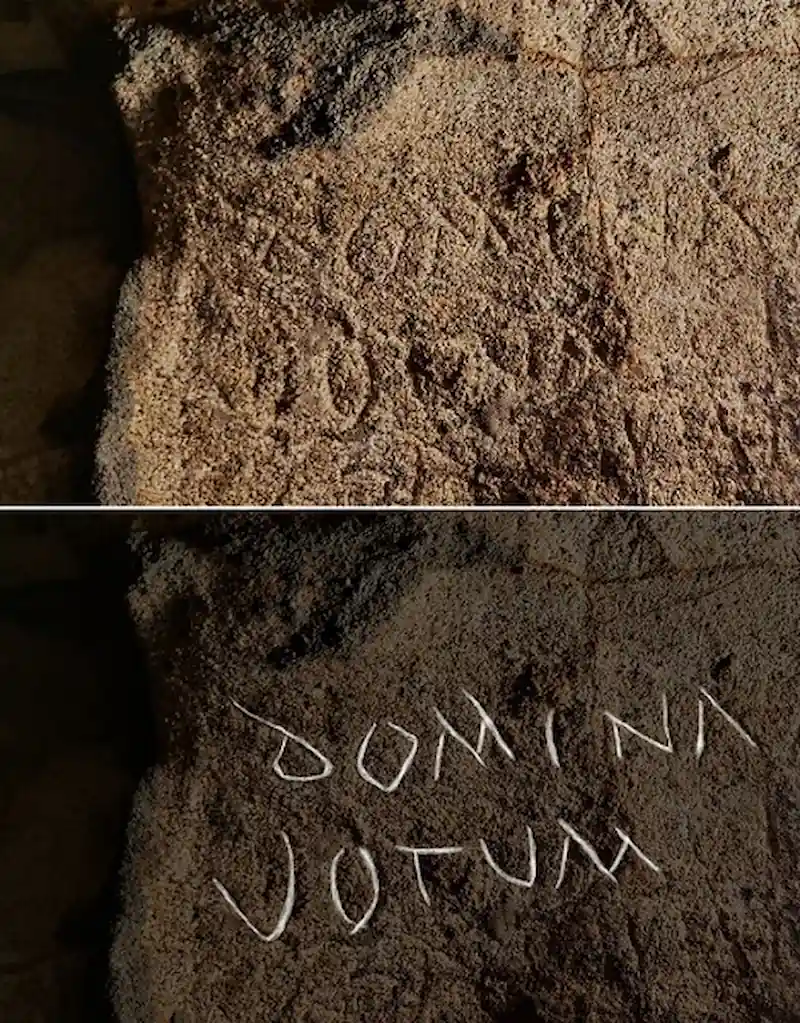
Cova Dones houses the largest collection of Latin inscriptions ever found in a rock sanctuary throughout the Roman Empire. More than 200 meters deep, the cave has been identified as a place of worship, where the inscriptions reveal the veneration of a goddess called “Domina.” The number of inscriptions documented in this campaign contrasts with the fifteen identified in previous investigations, solidifying Cova Dones’s position as the sanctuary with the largest number of epigraphic testimonies in Hispania.
The inscriptions found suggest that the sanctuary was frequently visited by women, evidenced by the presence of female names among the graffiti. Furthermore, the discovery of numerous spindle whorls, tools associated with textile work, reinforces the hypothesis that these women not only visited the site but also actively participated in ritual practices. The identification of five votive inscriptions dedicated to the goddess “Domina” indicates the existence of an organized cult, ruling out the idea of sporadic visits.
The research team, led by Virginia Barciela and Aitor Ruiz-Redondo, focused on the analysis of the graffiti, dated between the 1st and 2nd centuries AD. The concentration of the inscriptions in a specific area of the cave, far from the entrance, suggests careful planning of the ritual practices. The presence of small natural pools on the floor, where visitors deposited offerings, creates a complex ritual setting that combines epigraphy with material culture.
The findings at Cova Dones have significant implications for understanding ritual dynamics in Roman culture. The association of inscriptions and archaeological materials, such as bronze rings and ceramic fragments, makes the site a focal point for the interdisciplinary study of religious practices of the period. Research continues, with the team seeking to elucidate the connection between the inscriptions and the aforementioned deity, expanding knowledge about female cults in Antiquity.
The new discoveries at Cova Dones not only enrich our understanding of Roman culture but also highlight the importance of women’s role in religious contexts. As the research progresses, it is expected that more information about this fascinating underground sanctuary will be revealed, contributing to the understanding of the spiritual practices of the period.
Quer continuar acompanhando conteúdos como este? Junte-se a nós no Facebook e participe da nossa comunidade!
Seguir no Facebook